

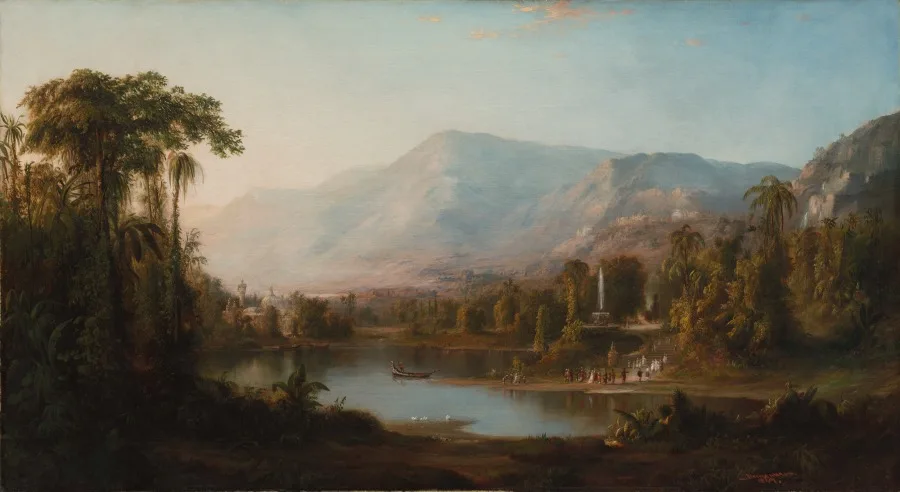
Armenian contemporary art has a structural feature that no other market in the region shares: a diaspora larger than the resident population. Communities in Russia, France, the United States, Lebanon and Argentina buy work from Armenia consistently, and that demand supports painters who would otherwise have almost no commercial audience at home. It also means a single artist may sell more canvases abroad than in Yerevan in any given year.
Diaspora demand also shapes what gets made. Landscape, still life and figure painting sell far more readily than conceptual work, because the buyers are frequently looking for a connection to a place rather than for a position in contemporary discourse. That skews the commercial layer toward traditional media while the experimental work stays institutional. Neither side is more serious than the other, but they operate in two separate economies with almost no overlap.
The colour inheritance
Martiros Saryan is the reference painter for the whole modern period. He worked with high saturation and simplified form, treated the mountains and orchards of Armenia as his central subject, and taught or influenced most of the generation that followed him. His approach to colour remains legible in the work of painters active in Yerevan today, and the museum devoted to him is where most visiting collectors sensibly start.
The structural difference from Georgian painting is worth noting, since the two get grouped together constantly. Armenian canvases usually keep a landscape armature underneath, so even the abstract work reads as horizon, mass and light. Georgian painting more often builds from flat colour areas with an outline holding them in place. The distinction sounds academic until you see forty pictures in a row.
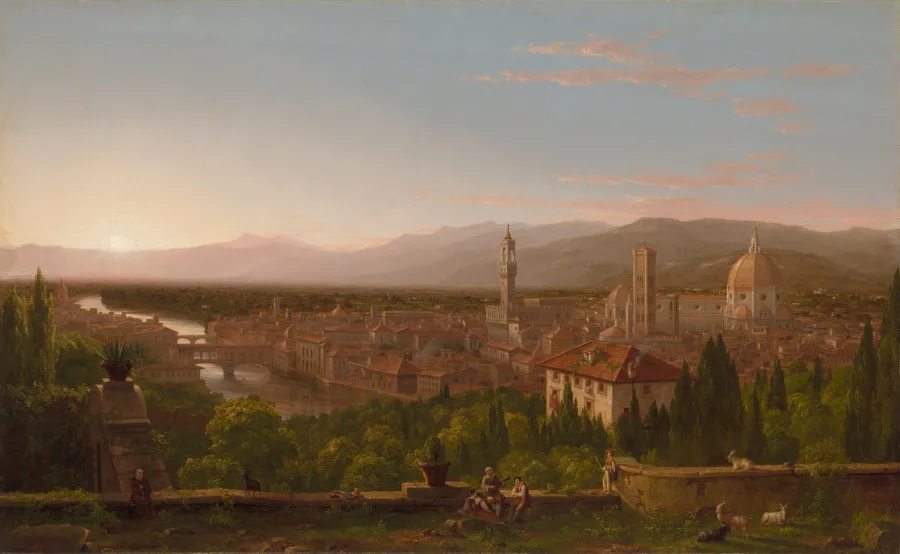
Yerevan supports a compact gallery scene, a state academy, and a museum system that acquires from living artists. The commercial infrastructure is thinner than in Tbilisi, and a larger share of sales happens through diaspora contacts rather than through local dealers. That means the same painting can be offered at markedly different prices in Yerevan and in Los Angeles, and the difference is not always disclosed to either party in the transaction.
- Compare prices in Armenia against diaspora gallery prices, because the two rarely match
- Ask whether a work was made for the local market or for export, since sizes and subjects differ
- Museum acquisition is the most reliable public signal available for living artists here
- Watercolour and drawing are strong in this tradition and considerably cheaper than oil
- Older works require export clearance, and the paperwork takes longer than buyers expect
- Verify that a diaspora seller actually holds the work rather than brokering it remotely
The last point is specific to this market. Because so much trading happens through community networks, a picture can be offered by someone who has never seen it and is simply relaying an offer from a third party. Ask directly who has physical possession and insist on photographs taken that week. A seller with the work in the room will produce them within the hour without complaint.
What is worth buying now
The best value sits with painters aged fifty and above who trained under the academy system and have long domestic exhibition records. Their prices are still domestic, their technical level is high, and their work is documented well enough to research from abroad. Younger artists in Yerevan produce interesting work, but the record needed to price it does not yet exist, so any figure you are quoted is essentially an opening position.
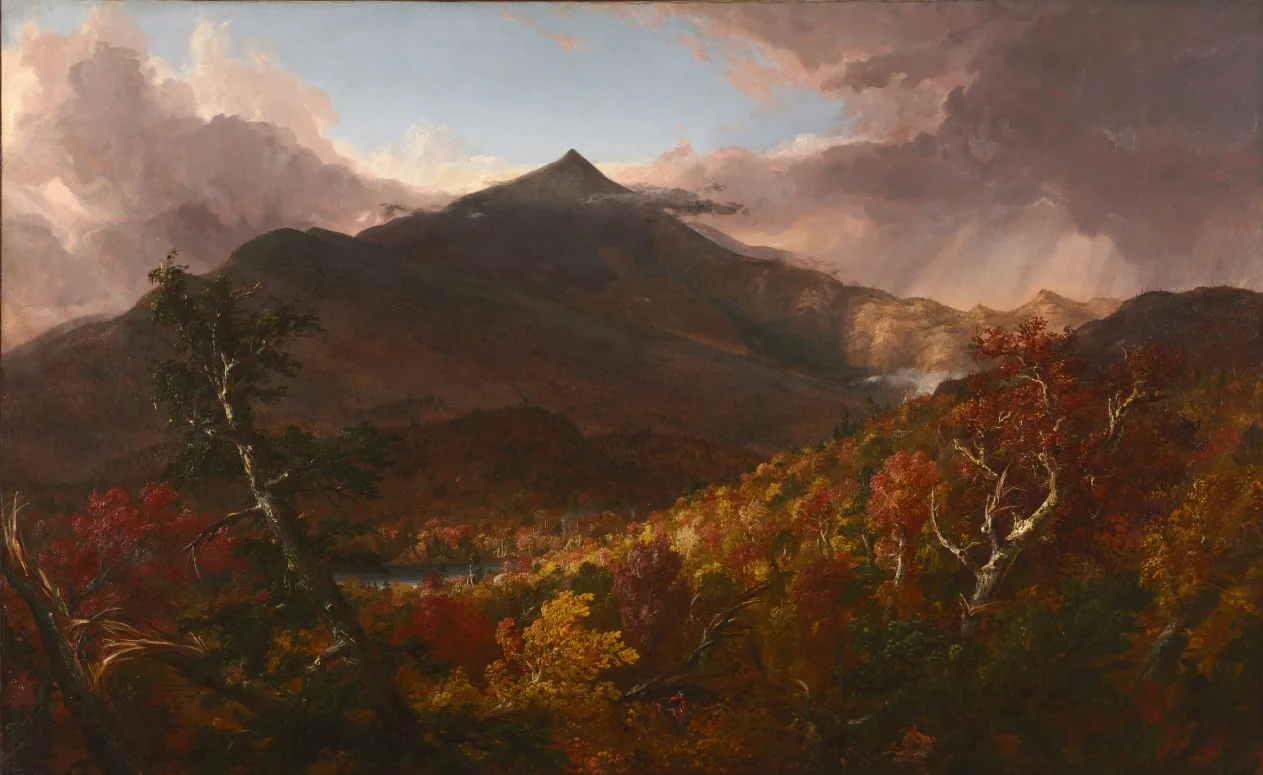
When a diaspora and a home market price the same artist differently, the lower figure is usually the real one. The gap is paying for distance, not for quality.
Collector guidance, Ochre Journal editorial
Checking both sides therefore pays for itself very quickly. A collector who calls Yerevan before buying in Paris or Glendale routinely finds a different number, and the difference on a single canvas can cover the cost of the trip. Ask the artist directly whenever the artist is still living and reachable.
