

Most people learn painting styles backwards. They memorize a list of movement names, then stand in front of a canvas trying to match it against a definition they half remember. That rarely works, because styles are not defined by subject matter and the same subject turns up in every one of them. A quicker route is to stop naming things and start describing what the paint is doing, which is a skill you can build in an afternoon.
Description is easier than it sounds, because you already do a version of it. You can separate a photograph from a drawing at a glance, and the same attention works one level down. Ask whether the brush marks are visible, whether the edges are hard or soft, whether the color sits in flat areas or blends across the surface. Three answers like that place a painting inside a family of styles before you know the name of any of them.
Start with the edges, not the subject
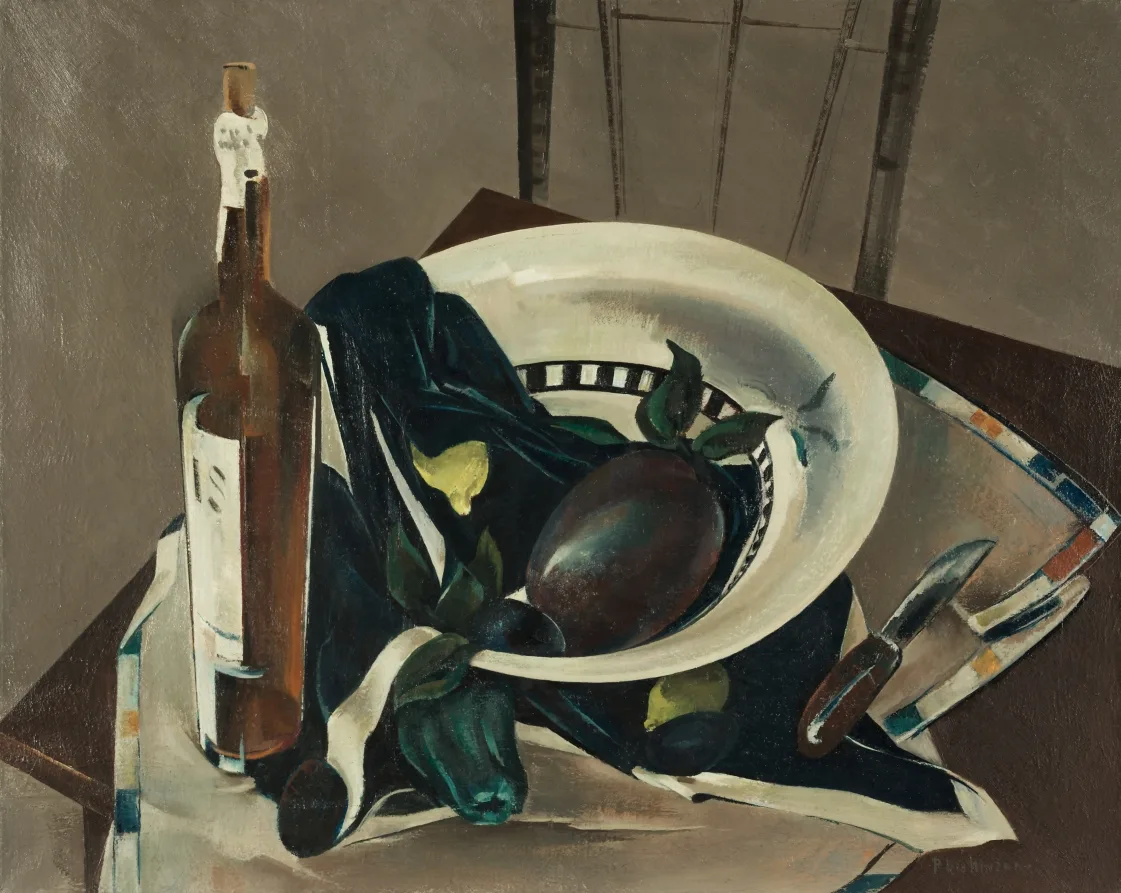
Edges are where styles separate most reliably. A realist softens the boundary where a shoulder meets the wall behind it, because that is roughly what the eye does. An academic painter of the nineteenth century sharpens the same boundary to keep the figure legible against its background. An expressionist leaves it as a stroke of raw color that belongs to neither the shoulder nor the wall. One shoulder, three decisions, and the decision is the style.
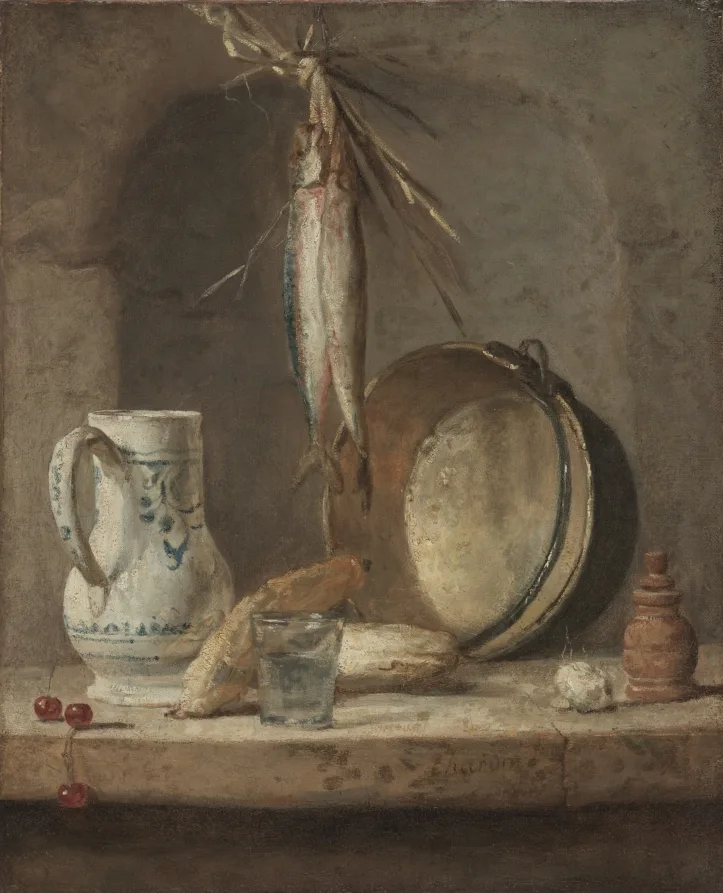
Surface is the second reading. Move your eye across the picture and see whether the paint lies flat or stands up off the weave. Thin level surfaces point toward older methods and toward the realist tradition that grew out of them. Heavy ridges point toward the century after Van Gogh, when the physical body of the paint became part of what a picture was about. Photographs of paintings flatten all of this out, which is why online browsing teaches style so badly.
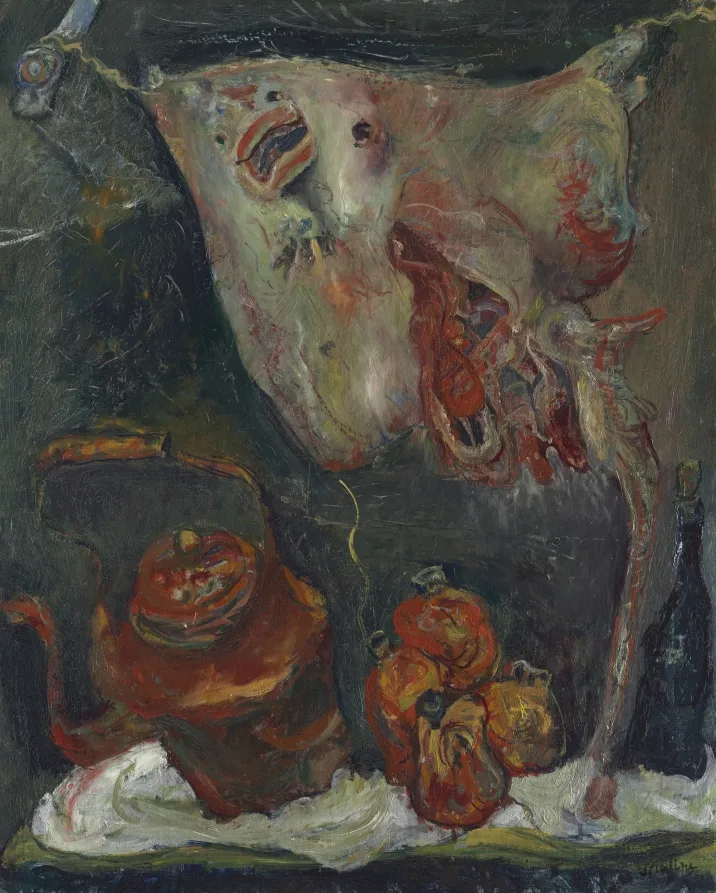
Color behaves differently across styles as well, and it reads faster than either of the first two tests. Impressionist painting keeps its darks colored rather than black, so shadows come out blue, violet or green. Academic work mixes darks toward brown and gray and keeps them quiet. Fauvist and expressionist painting uses color with no obligation to the object at all, which is why a green face is a marker of intent rather than an error.
- Pick one edge where two forms meet and decide whether it is hard, soft or simply absent
- Check whether the shadows carry color or drift toward brown and gray
- Stand close enough to see whether the brush marks survive or vanish into the surface
- Ask whether the light in the picture could have come from a real room on a real afternoon
- Notice how much of the canvas stays flat and unbroken rather than described in detail
Run those checks on any painting and you end up with a description a curator would recognize, even if you never produce the right word. Labels attach afterward, and they attach loosely, since most painters sit between two of them rather than inside one. Getting the description right matters more than getting the label right. It also improves with practice, while memorized definitions decay within a month.
What the labels are actually for
Style names are search terms rather than natural categories. Critics, dealers and historians invented them to group work for an argument or a sale, and several started life as insults. Impressionism came out of a hostile review of a Monet title, and fauvism came from a critic who called the painters wild beasts. Remembering that keeps you from treating the categories as facts about paintings instead of facts about how people talk about paintings.
A style is a set of habits a painter kept long enough for other people to notice. It is not a rule the painter agreed to follow.
Editorial note, Beautiful Art
The payoff shows up when you start looking at work for sale. Dealers use style words loosely, and a listing that calls a painting impressionist often means it has visible brushwork and nothing else. If you can describe the edges, the surface and the color on your own, the listing stops carrying weight and you can judge the picture by what it does. That is the whole reason to learn looking before naming.
