

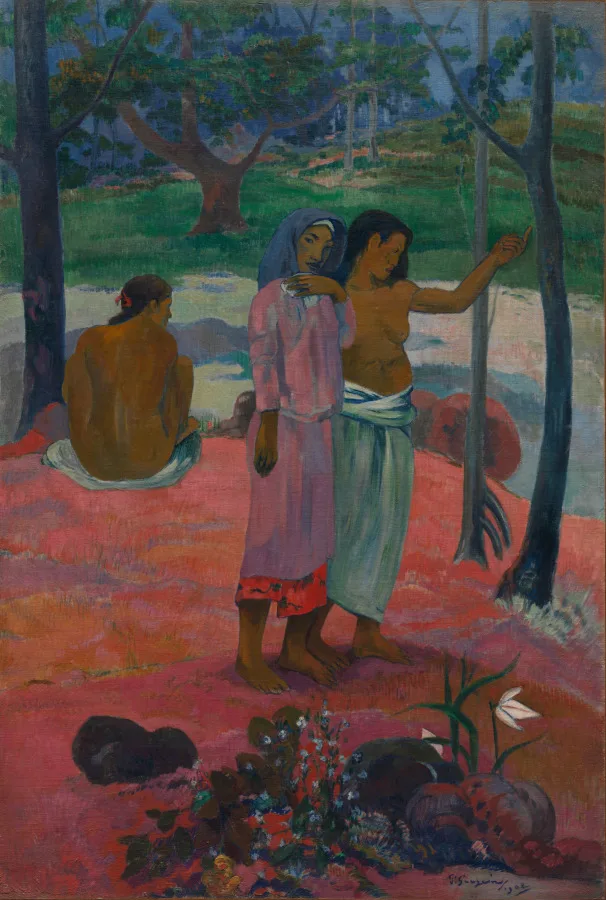
By 1903 Paris had more exhibition capacity than any other city and still not enough of the right kind. The Societe des Artistes Francais ran the old spring salon, a rival society had split away in 1890 and ran another, and the Independants took anyone who paid the fee. A group led by the architect and critic Frantz Jourdain founded a fourth body that autumn. The first Salon d'Automne opened in October 1903 in the basement of the Petit Palais.
The timing was the first piece of strategy. Nothing serious happened in the Paris art trade between the close of the spring salons and the new year, so an October show had the calendar to itself. Critics who had nothing to write about arrived and wrote. Dealers who had spent the summer buying now had a public stage on which to test what they had bought.
Room for the things the salons ignored
The new salon gave architecture and the decorative arts real floor space instead of a corridor at the back. That decision brought in furniture makers, ceramists and designers who had no route into the official halls, and it brought their clients with them. Painters gained by association, because a visitor came to see an interior and left having looked at pictures. Mixing categories widened the audience without widening the advertising budget.
It also moved to the Grand Palais from the following year, which settled the question of scale. A large hall lets an organiser build rooms inside it, and the Salon d'Automne used that freedom to hang groups of work by one artist together. Seeing twenty canvases by the same hand does something that a single picture in a mixed hang never does. It turns a name into a body of work.
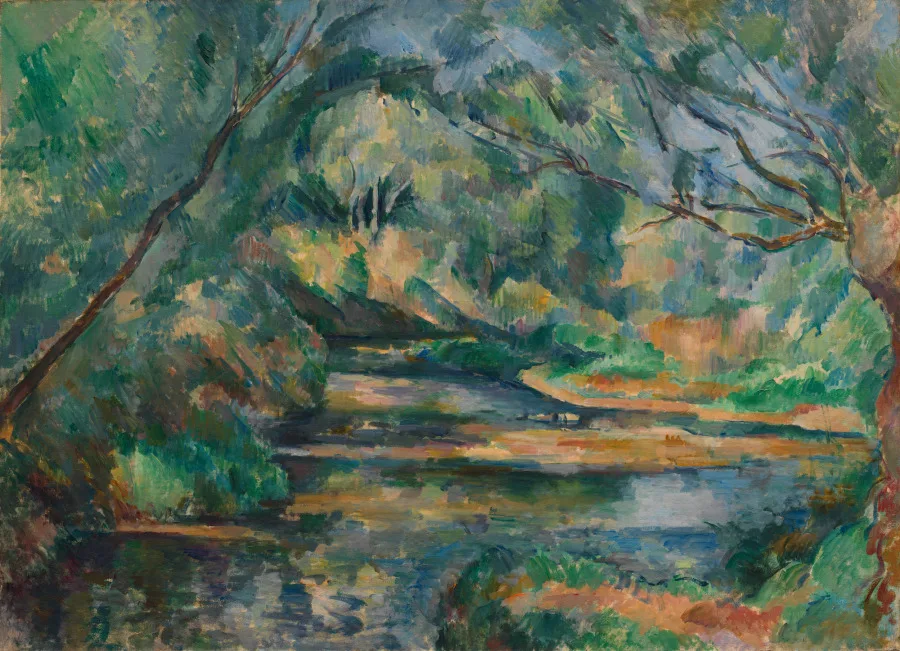
Retrospectives became the signature of the venue. Paul Gauguin died in the Marquesas in May 1903, and the first Salon d'Automne showed a memorial group of his work that autumn. Cezanne was given a room the following year and a full retrospective in 1907, and a larger Gauguin retrospective followed in 1906. Those displays turned reputations that had circulated among dealers into public facts.
- An autumn date gave the salon a clear run at the press and the trade calendar
- Decorative art and architecture were shown as equals, which brought a new class of buyer through the door
- Grouped hangs let visitors judge an artist across a body of work rather than one canvas
- Memorial and retrospective rooms did the work that no commercial gallery could afford alone
- The move to the Grand Palais in 1904 gave the organisers space to build rooms inside the hall
- A jury drawn from working artists set a different filter from the academic committees
The effect on prices was indirect and slow, which is normally how it works. A retrospective does not create buyers on the day, it creates a record that dealers can point to for the next twenty years. Once a museum curator or an auction cataloguer can write that an artist was given a room at the Salon d'Automne in a named year, the sentence does the arguing. Institutional memory is the cheapest form of provenance.
Why a second venue matters more than a good jury
Any market with one gatekeeper prices according to that gatekeeper's taste. A second venue with its own jury, its own press coverage and its own calendar slot breaks the monopoly without anyone having to win an argument about quality. That is what happened in Paris after 1903, and the shift is easier to see in the sale records than in the criticism. The old salon kept its crowds and lost its authority.
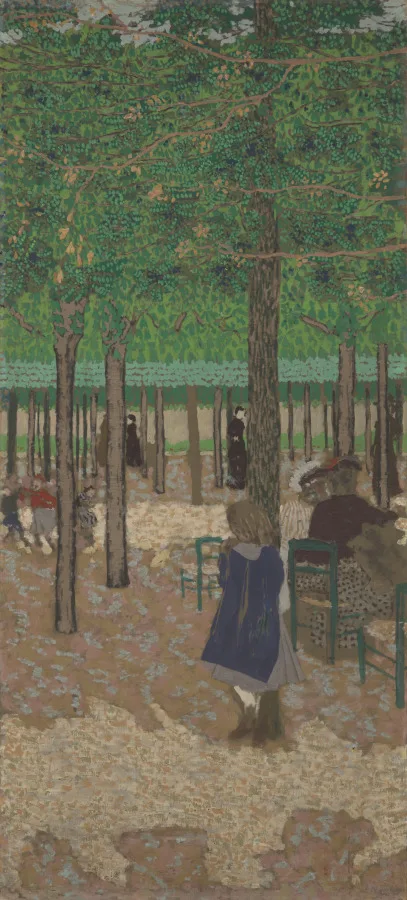
A rival salon changes prices faster than a good review, because it changes who is allowed to be seen at all.
Beautiful Art editorial note
The lesson travels. When a collecting field feels stuck, look for the second venue rather than the better critic, because new floor space is what reorders a market. French holdings from these years are concentrated at the Musee d'Orsay, which is the sensible place to see what the salons were arguing about.
