

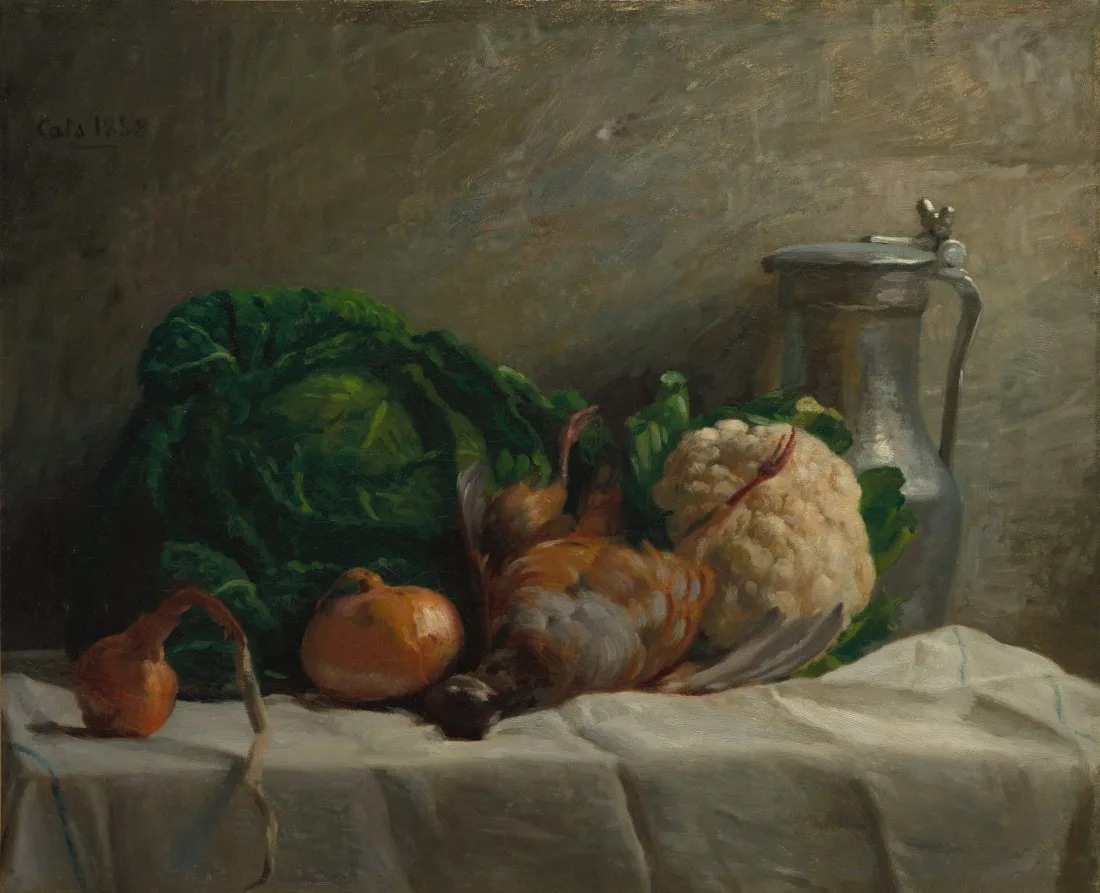
The French academy ranked painting subjects in order of importance, and still life came last. History painting sat at the top, then portraiture, then scenes of everyday life, then landscape views, then arrangements of objects on a table. The hierarchy held for roughly two centuries and then collapsed. The subjects it ranked lowest are the ones that have held their audience best.
That reversal is not an accident of fashion. A history painting depends on the viewer knowing a story, and when the story fades the picture becomes an illustration of something nobody reads. A still life depends on light falling on a surface, which stays legible for as long as people have eyes. Genre scenes sit between the two and survive because domestic situations have changed less than myths have.
The hierarchy that ranked them last
The academic argument was about invention. A painter who composed a battle out of imagination was doing intellectual work, while a painter who copied a dead fish was doing manual work. That distinction carried real consequences: it decided who could teach, who received state commissions and what a canvas was worth. Chardin entered the academy as a painter of animals and fruit, a category that came with a lower standing than his ability deserved.
Dutch painters had already ignored the hierarchy for a century. The market in the Netherlands was made of private buyers furnishing rooms rather than institutions commissioning grand statements, and those buyers wanted pictures at domestic scale. Specialization followed, and painters built whole careers on flowers, on breakfast tables, on fish, on kitchen interiors. The results are still among the most technically demanding pictures anyone has produced.
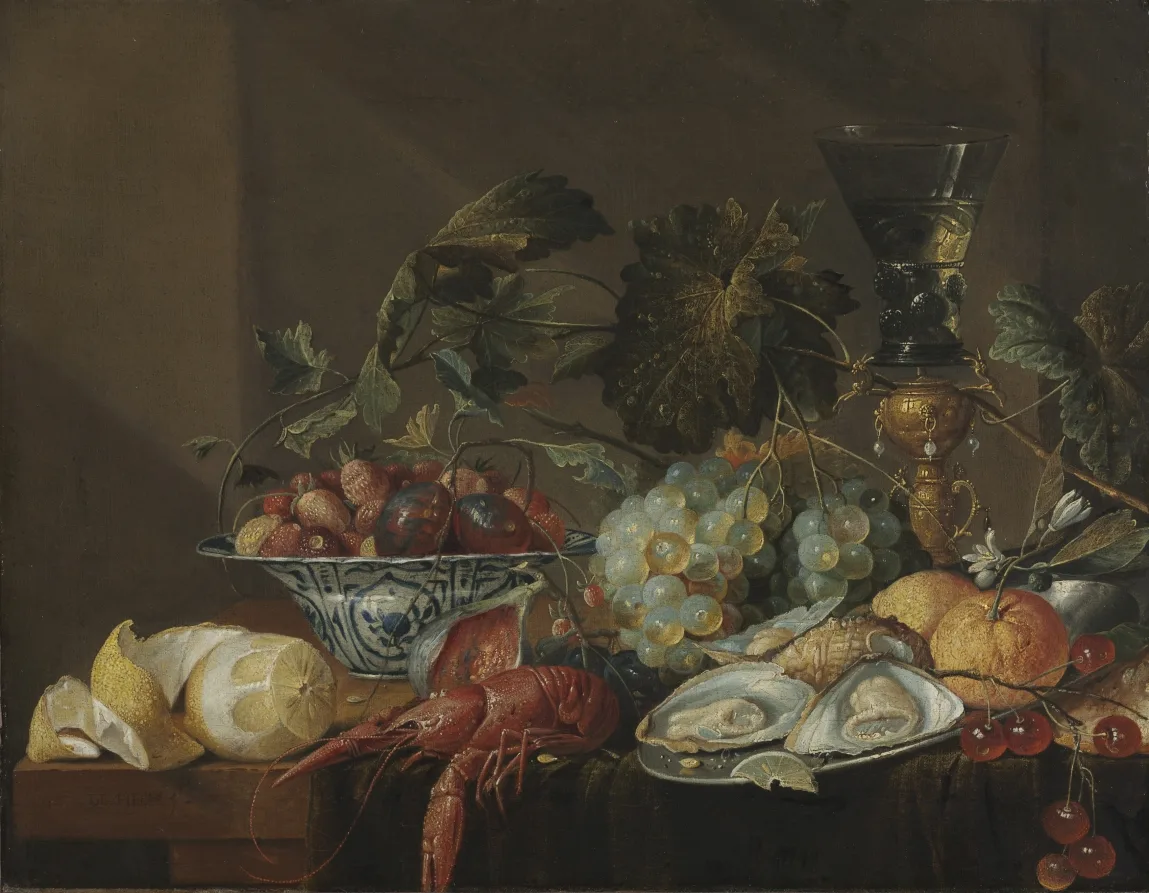
What the quiet subjects give a painter is a controlled problem. The objects sit still, the light can be arranged, and nothing in the setup carries a narrative obligation. Everything left over goes into looking, which is why still life has repeatedly served as the place where painters worked out new approaches before applying them anywhere else. Cubism began on a table with a guitar and a newspaper.
- Check the darkest passage first, since weak still life painting falls apart in the shadows
- Look for one reflective surface handled well and without the painter showing off
- See whether the objects sit on the table or float slightly above the surface
- Follow the light source and confirm that every shadow in the picture agrees with it
- Ask whether the arrangement was composed or merely assembled, because composition is the harder skill
Those checks apply just as well to genre scenes with the subject swapped. Instead of objects on a table you are reading how figures occupy a room, whether the gestures look observed or invented, and whether the light stays consistent once several bodies are in the way. The failure mode is the same in both cases: a painter who renders one thing beautifully and cannot make several things share a space.
How to judge one in a viewing room
The market treats these categories more calmly than it treats fashionable contemporary work, which is part of the appeal. Prices for good seventeenth century still life painting have moved slowly and steadily rather than in spikes, and the supply is fixed. Among living painters, still life sells at a discount to figure work of comparable quality, and that discount has held long enough to look structural rather than temporary.
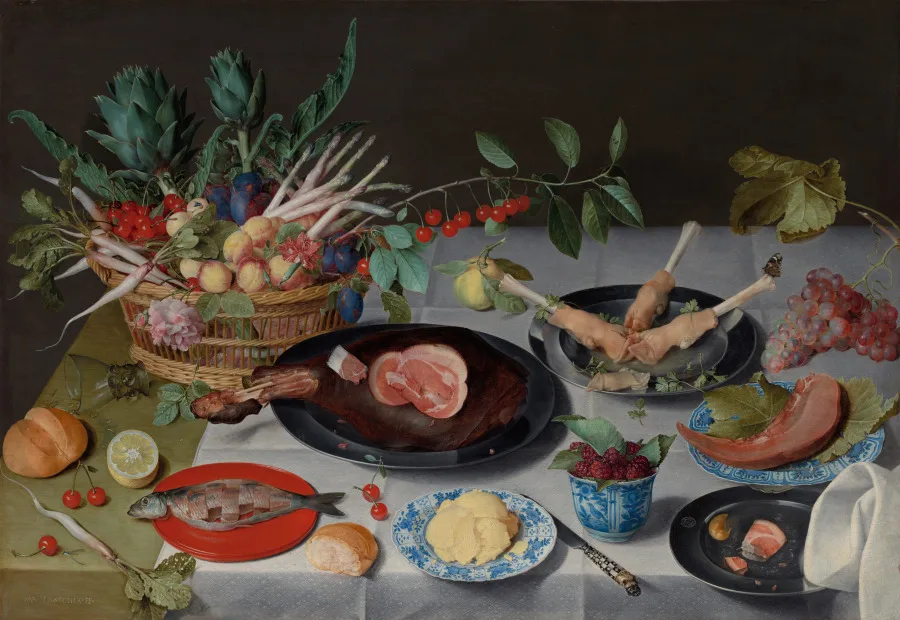
A still life is a painter talking to themselves. That is exactly why it shows you what they can do when nobody is watching.
Editorial note, Beautiful Art
If you are buying in this area, buy the picture you would be glad to look at while eating breakfast. That sounds unserious and it is the correct test, because these paintings were made for rooms people live in rather than for galleries people visit. A still life that only works under museum lighting has failed at the job it was designed for.
