

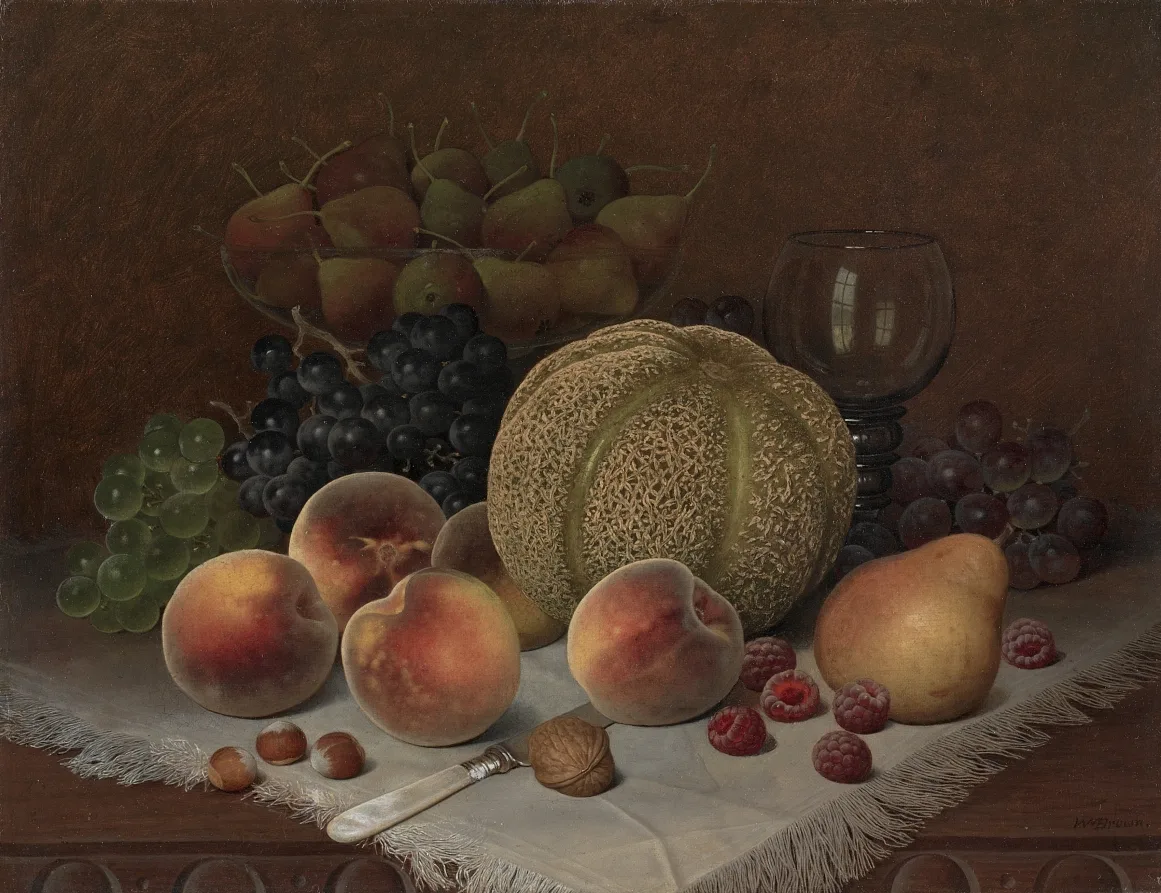
Taste feels like a preference for certain pictures. In practice it is a set of repeated decisions, and once you can see the pattern in them you already have most of a collecting plan. People who buy without reading their own pattern end up with a wall of unrelated purchases that each made sense on the day. The individual pictures are usually fine. The collection is not.
The test is simple and slightly uncomfortable. Write down the last ten works of art you stopped in front of, whether or not you could afford them, and then look for what they share. It is almost never the subject. It is more often a quality of light, a temperature of color, a level of finish or a working scale, and it will be consistent enough to surprise you.
Read the pattern before you read the price
Once the pattern is visible it starts making decisions for you. Someone who consistently stops in front of quiet, dark, closely valued pictures should not be buying bright open canvases because a dealer explained why they are a sensible investment. That mismatch is the most common reason a work gets resold within three years, and selling within three years is where private collectors lose money.
Patterns also tell you which part of the market you belong in. An appetite for surface and slow finish points toward realist and hyperrealist work, where price follows hours spent in the studio. An appetite for gesture and speed points toward expressionist and abstract painting, where price follows reputation. Neither is better, and the difference matters because the two markets set prices and resell in different ways.
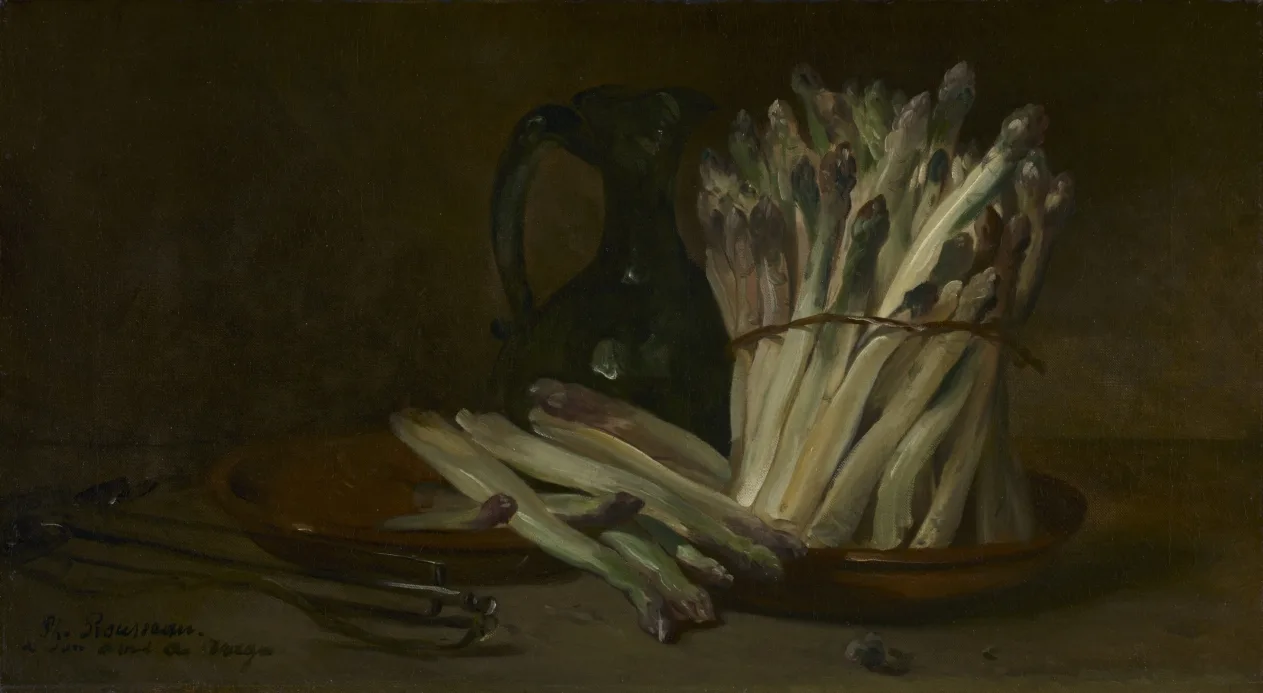
There is a second layer under taste that is worth separating out. Some people respond to pictures as objects and want to own them, while others respond to pictures as ideas and are satisfied by seeing them. If you belong to the second group, a collecting habit will make you restless and a museum membership will not. That sounds obvious written down, and a fair number of people discover it only after spending real money.
- Consistent light and color temperature across the works you keep returning to
- A preferred level of finish, whether that is a polished surface or a visible mark
- A working scale, since people who like small pictures rarely enjoy living with large ones
- A tolerance for difficulty, meaning whether you want a picture that argues with you
- A time horizon, because some appetites stay stable for decades and some burn out in two years
Those five readings turn into a buying rule you can write on one line. Something like this: figurative work under a metre wide, painted from observation, by living artists with at least three solo shows behind them. A rule that specific feels restrictive for about a month and then does most of the work for you, because it removes the pictures that were never going to fit.
Building a plan around one appetite
Depth beats breadth for almost every private collector. Twenty works that answer one question look like a collection and get treated as one by curators, dealers and whoever eventually inherits them. Twenty works spread across every style you have ever liked look like a shopping history. The narrower plan is also cheaper to run, since you stop bidding against your own earlier purchases.
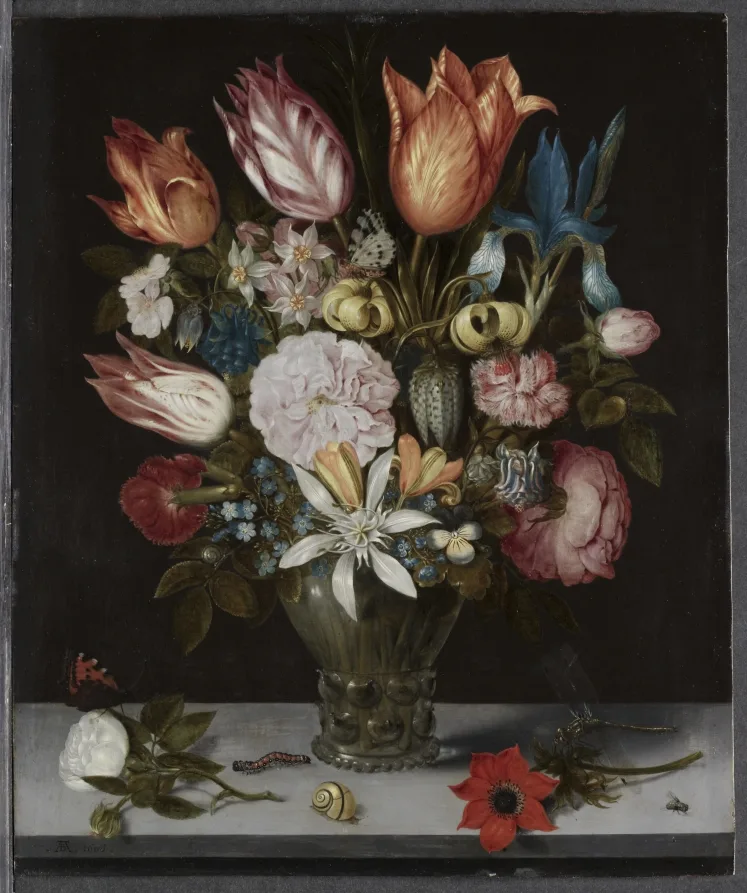
The most expensive mistake in collecting is rarely the wrong picture. It is a hundred right pictures that have nothing to do with each other.
Editorial note, Beautiful Art
None of this argues for ignoring advice. It argues for bringing your own pattern into the conversation so that advice has something to attach to. A dealer who knows you buy quiet interiors by living painters can do useful work on your behalf. A dealer who only knows your budget will sell you whatever needs to move that quarter.
