

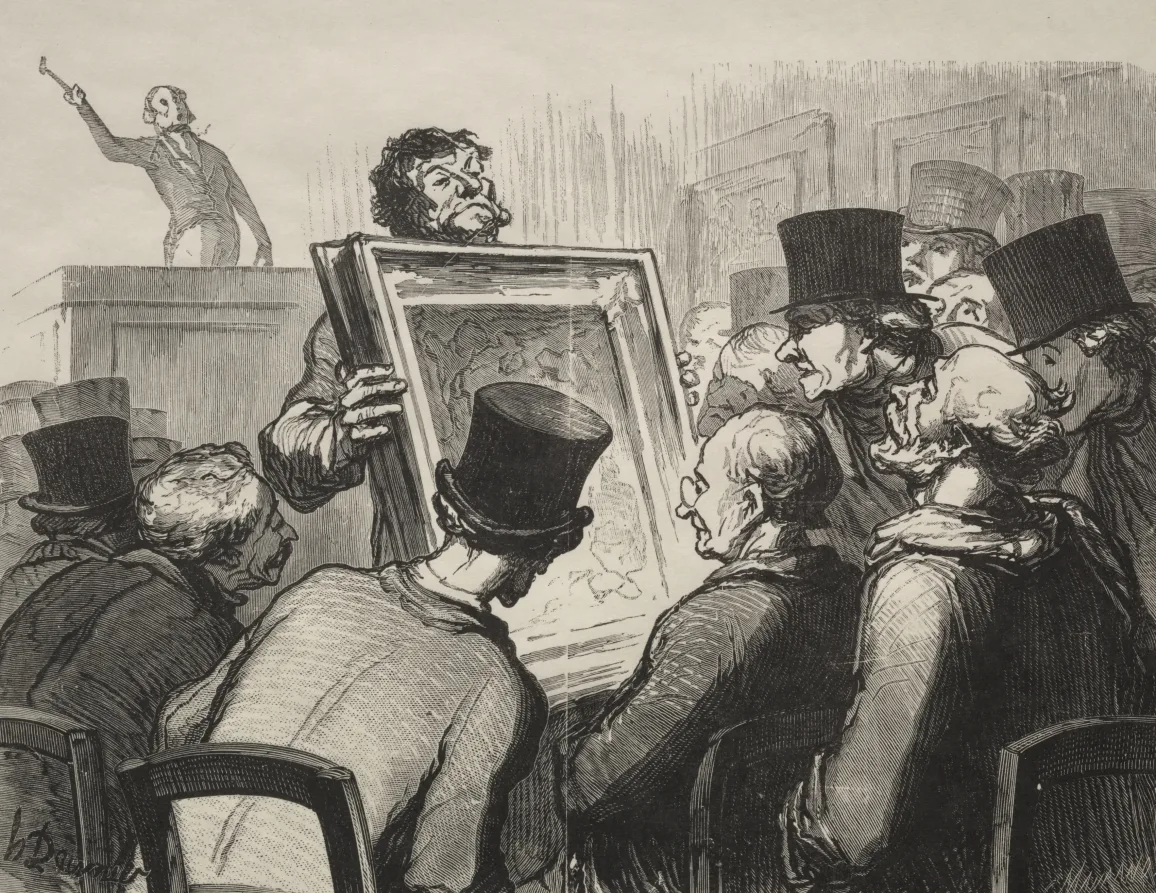
An emerging art market is a place where serious painting gets made and sold at prices set by local buyers rather than by international demand. Georgia, Armenia, Serbia, Uzbekistan and a dozen other countries fit that description today. The work is not cheaper because it is weaker. It is cheaper because the audience for it is small and mostly lives within driving distance of the studio, and because nobody outside the country has been paid to write about it in a language collectors read.
Collectors arrive at these markets for two different reasons, and it helps to know which one applies to you. One group wants pictures they like at prices they can justify, and these markets deliver that reliably. The other group buys on the theory that local prices will eventually converge with Western ones. Convergence does happen, but it runs on a decade scale and it never lifts a whole country at once, so a portfolio approach to a national scene rarely works.
How a market stops being emerging
The sequence is fairly consistent. Local museums begin collecting the living generation, a few artists get picked up by galleries in Berlin, Vienna or London, a biennale invitation follows, and auction houses start accepting consignments. Each step adds buyers who have never visited the country. Prices move when the buyer pool stops being local, and that shift has very little to do with the work itself getting better.
Institutional attention is therefore the signal worth tracking. A survey exhibition at a large Western museum does more for a regional market than any number of fair booths. Fairs move inventory, while museums build the reference list that dealers will quote for the next twenty years. Watch acquisitions and catalogues rather than reported sale totals, since the totals are usually assembled by people with something to sell and are almost never audited by anyone.
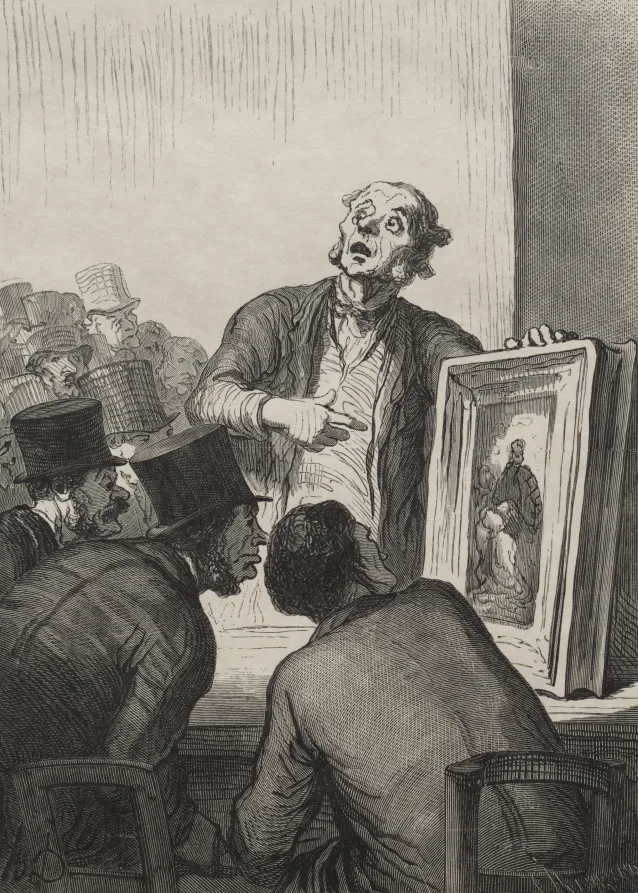
Buying at a distance changes what diligence means in practice. In a mature market you rely on gallery records, invoices and published exhibition history. In an emerging one you often have an artist, a studio, a family and a phone number. That is workable, but it puts the burden on you to build the file that a Western dealer would normally hand over with the picture, and to keep a copy of every message that describes what you were told.
- Ask who has shown the artist, in which city, and whether a catalogue or press notice exists
- Request dated studio photographs of the work before payment and again before packing
- Confirm who holds the copyright and whether the artist has an estate or a representing gallery
- Check export rules for the country, since works above a certain age often need a permit
- Agree in writing on crating, courier and insurance before any money moves
- Compare the asking price with local gallery prices rather than with Western auction results
- Keep the correspondence, since it is often the only provenance record the work will ever have
None of that is exotic caution. It is the same file a specialist would assemble for any picture with a thin paper trail, and it takes a few days of email rather than a research trip. The reason it matters more here is simple: the discount is large enough to make buyers hurry, and hurry is exactly what forgers and opportunistic middlemen rely on. A seller who resents the questions has told you something useful for free.
Where the real risk sits
The risk is rarely that the picture is fake. More often it is liquidity. A painting bought in Tbilisi or Tashkent has no obvious resale channel outside the region, and auction houses will decline a consignment by an artist they cannot place with their own clients. Buy work you would keep for fifteen years, because that may well be the actual holding period, and treat any early resale as a bonus rather than as an exit plan you can count on.
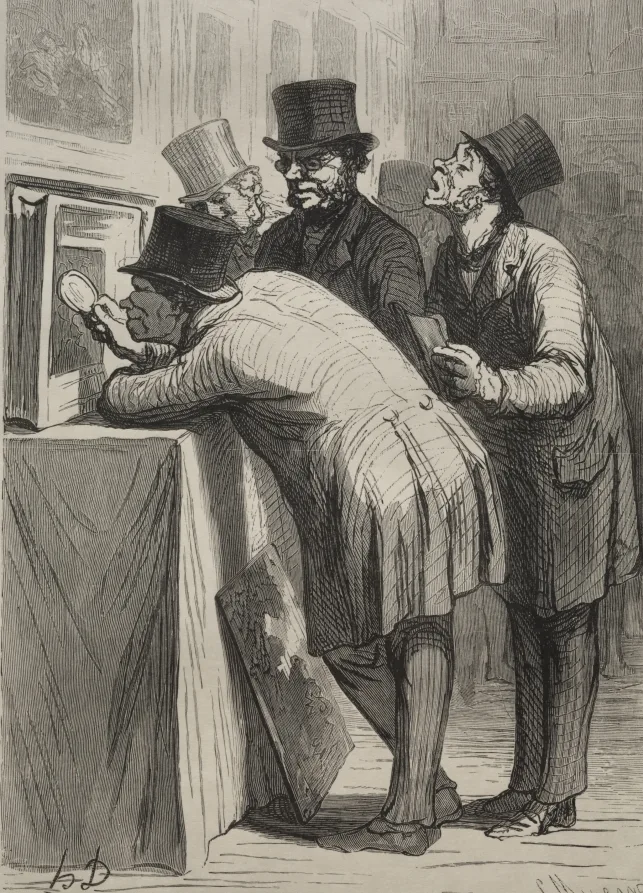
Buy the picture you would be content to own if the market never noticed the artist. Any price appreciation after that is a bonus rather than a plan.
Collector guidance, Ochre Journal editorial
That rule filters out most of the bad decisions in this field. It rules out speculative buying of artists whose only recommendation is that they are cheap, and it keeps you in front of the work that actually holds your attention on the wall. Emerging markets reward patience more than nerve, and the collectors who do well in them tend to be the ones who visited twice before buying once.
