

Russian contemporary art reaches Western buyers through a narrow set of channels, and that narrowness explains most of what is odd about its prices. There is a strong domestic collector base, a large diaspora market, and a much smaller international one, and the three do not agree with each other about what things are worth. The same painter can carry three different price levels depending on who is asking, and none of the three is obviously the correct one.
The historical anchor is the nonconformist generation that worked outside official structures from the late fifties onward. Their work was collected privately, exhibited semi legally and exported informally, which produced a body of material with excellent art historical standing and consistently messy paperwork. Everything about how the current market handles provenance descends from that period. Serious dealers in this field are used to reconstructing ownership from letters and photographs rather than from invoices.
The three price tiers
At the top sit a handful of internationally shown names with auction records in the major houses and museum representation in Europe and America. Below them is a wide middle of artists with solid Moscow and Saint Petersburg exhibition histories whose prices are set domestically. At the bottom is a large field of technically accomplished studio painters selling directly, often for a few thousand dollars a canvas.
The middle tier is where most of the interesting decisions happen. These are artists with real careers, twenty or thirty years of exhibitions, occasional museum acquisitions, and prices that reflect a local buyer base rather than an international one. Whether that gap ever closes depends on factors well outside the art world, so treat any purchase there as a decision about the picture rather than as a bet on the region.
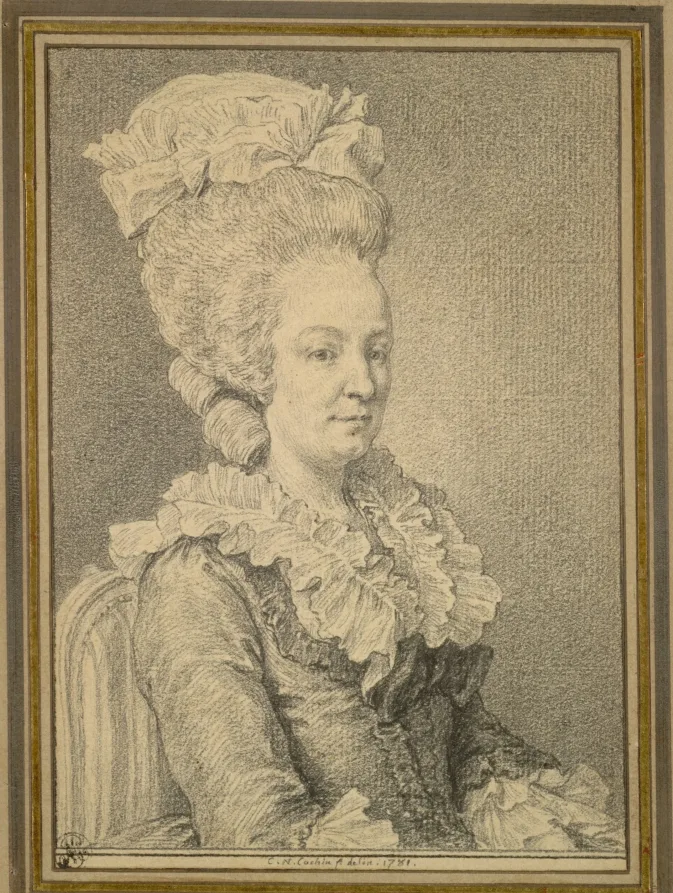
Technical training remains the most consistently underrated asset in this market. The academy system produced painters who can draw the figure, build a picture and handle paint at a level that is now rare in Western art schools. Realist and figurative work from that training is the segment where a collector gets the most craft for the money. It is also the segment least likely to be damaged by a shift in critical fashion.
- Ask for the exhibition list in the original language and check the institutions named in it
- Nonconformist era works need documentation, since informal export left very thin records
- Payment and shipping arrangements have become complicated and should be settled first
- Studio direct prices and gallery prices diverge widely for exactly the same artist
- Condition matters, because Soviet era materials and stretchers age unpredictably
- Signatures should be compared against several documented examples from the same decade
The logistical points are not incidental details. Money transfers, courier insurance and customs treatment have all become harder in recent years, and a sale that would once have taken a week can now take months to complete. Anyone offering to make those problems disappear quickly is worth declining on principle. A dealer who explains plainly what cannot be done is more valuable than one who promises that everything can.
Why collectors keep buying it
The appeal is a combination of craft and price that is difficult to find anywhere else. Buyers who care about drawing, surface and sustained observation find a deep supply here, and they pay a fraction of what comparable skill costs in London or New York. That calculation has held steady through several political cycles, and it is the reason the field has kept a small but persistent group of Western collectors.
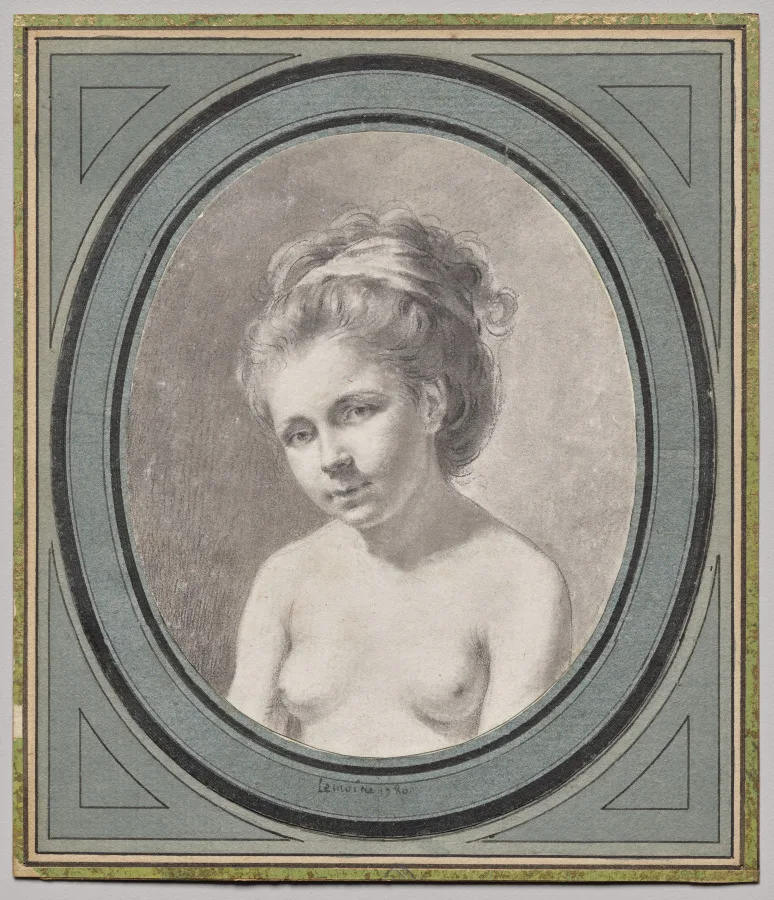
Buy the drawing before the painting. It costs a fraction of the canvas, it exposes everything the artist can and cannot do, and dealers price it least confidently.
Collector guidance, Ochre Journal editorial
That advice applies across the market and it applies here with particular force. Studios in Moscow and Saint Petersburg are full of working drawings that never reach a gallery wall, and they are frequently the strongest things in the room. Ask to see the folders before you look at the stretched canvases on the easel.
