

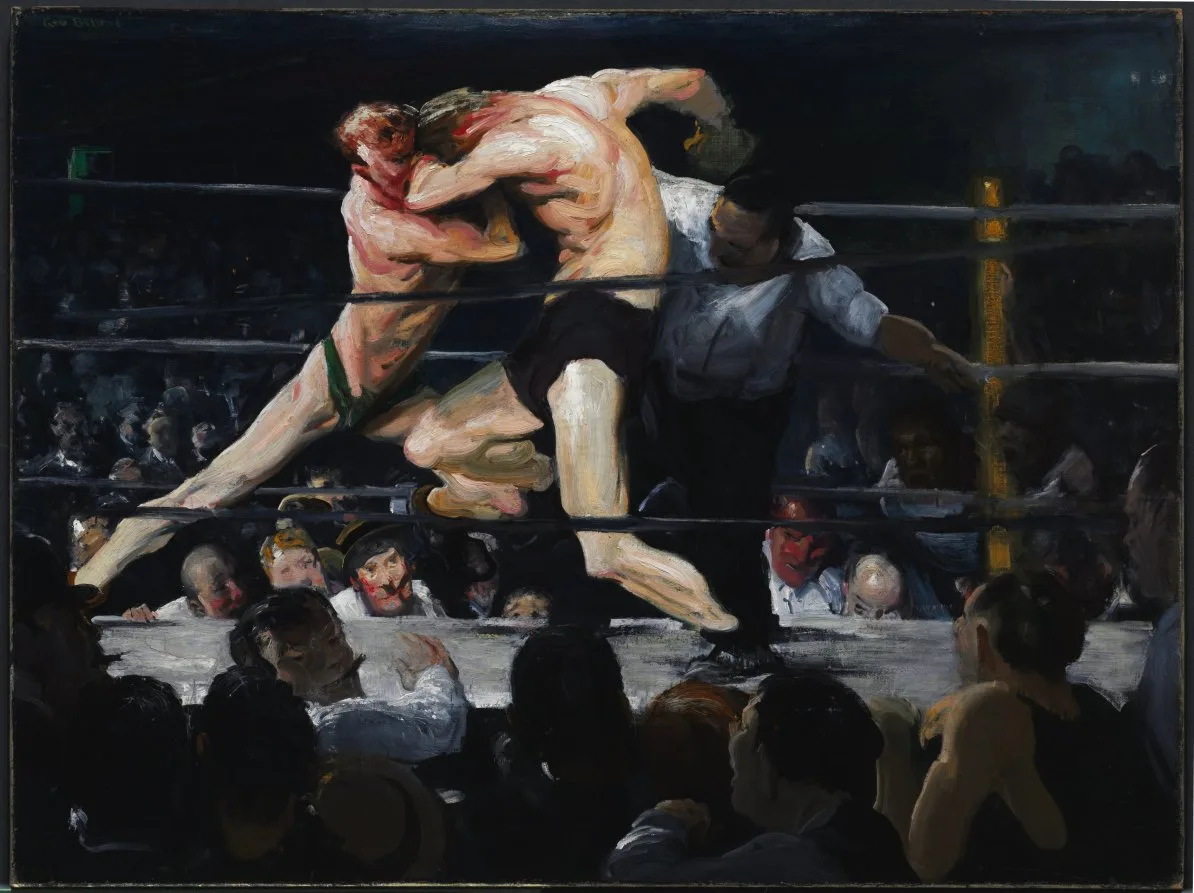
Contemporary realism is realist painting made by living artists who know perfectly well that a camera exists. That awareness is the whole difference. A realist working in 1870 was competing with nothing; a realist working now has to explain, at least to themselves, why the subject deserves paint rather than a shutter release. The answers vary, and the good answers show up in the work.
The category sits awkwardly between two things it is often confused with. Academic revival painting looks backward and treats nineteenth century method as a standard to be restored. Photorealism looks at the photograph itself as the subject. Contemporary realism uses observation and photographs as tools without making either one the argument. The distinction sounds academic until you stand in front of three canvases and see how differently they behave.
What the painters actually do
Most work from a mix of sources. A figure gets drawn from life over several sittings, the interior comes from photographs taken in the same room, and the light gets adjusted to something that never occurred on any particular afternoon. Painters are open about this now in a way that would have embarrassed their predecessors. The finished picture is a construction and it does not pretend to be a record. Saying so out loud has made the work easier to defend, since nobody has to maintain the fiction that the painter simply copied what stood in front of them.
Method varies more than the label suggests. Some build in thin transparent layers over a monochrome underpainting, which takes months and produces the glassy surface that collectors associate with technical seriousness. Others paint wet into wet in a few sessions and leave the drawing visible underneath. Neither approach is more realist than the other, though the slower one photographs better and therefore sells better online.
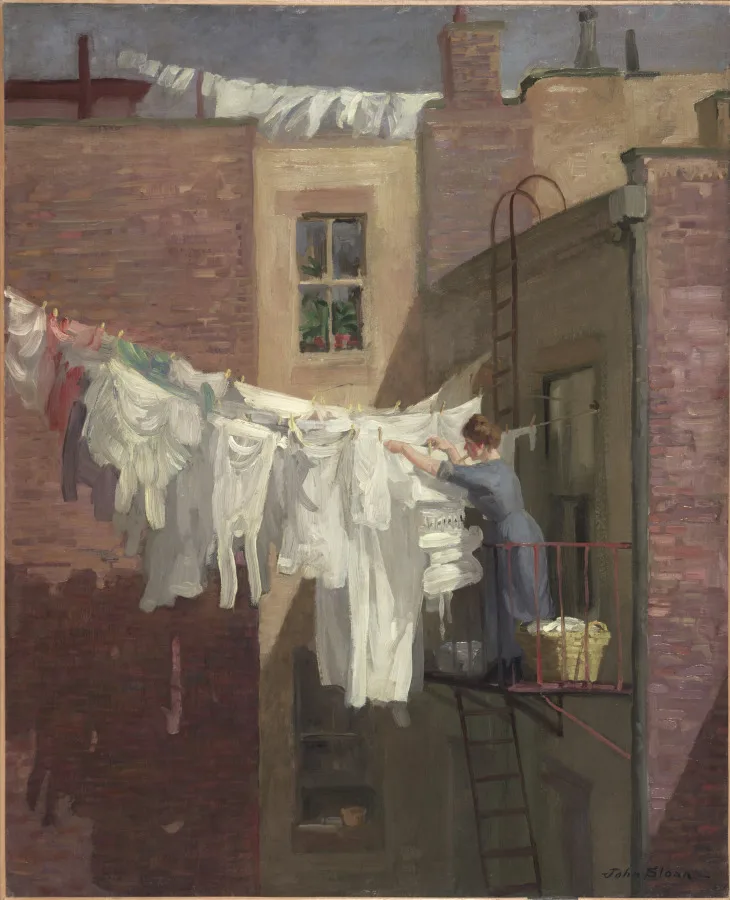
Subject matter has narrowed in a useful way. The ambitious contemporary realists mostly paint interiors, single figures and things that sit still, and they leave landscape to the plein air tradition. That narrowing lets them go deeper on light and surface, which is where the style earns its keep. A well painted kitchen window at four in the afternoon is a harder problem than a mountain.
- Check the drawing first, because weak construction hides under good surface for about two seconds
- Look at the edges where forms meet, since that is where photograph copying gives itself away
- Find the darkest dark and the lightest light and see whether the rest of the picture obeys them
- Ask how many sittings the figure took, and expect a specific answer from a serious painter
- Compare the price against the artist's exhibition record rather than against the hours claimed
Those checks matter because the field is crowded with competent work. Technical training has spread through ateliers in Florence, Moscow, Beijing and a dozen American cities, and the result is a large supply of painters who can render anything and have nothing in particular to say. Skill has stopped being a filter. What separates the painters worth following is a consistent set of subjects they keep returning to for reasons they can explain.
Prices and where they are going
The auction record for living realists sits far below the figurative postwar names, and that gap has not closed in twenty years. Primary market prices from good galleries run in the low five figures for a mid size canvas by an artist with a real exhibition history. Work from ateliers outside the main Western circuit costs less for reasons that have little to do with quality, and that is where patient buyers find things worth owning.
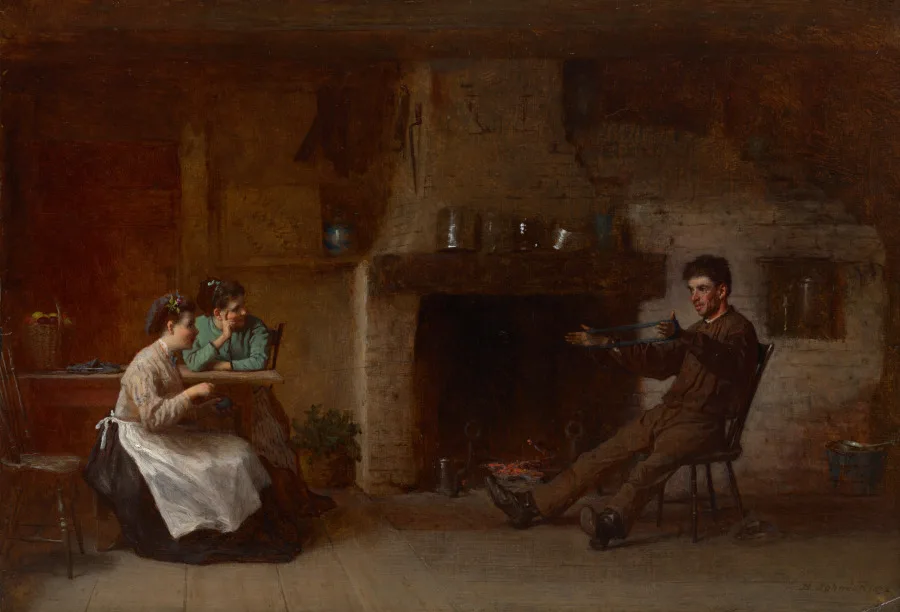
If I could say it in words there would be no reason to paint.
Edward Hopper, painter
Hopper is the ancestor most contemporary realists claim, and the claim is mostly about mood rather than method. What they take from him is permission to paint an empty room and treat that as sufficient subject matter. The rest of his method, the flat blocked light and the hard geometry, shows up far less often than the mood does.
