

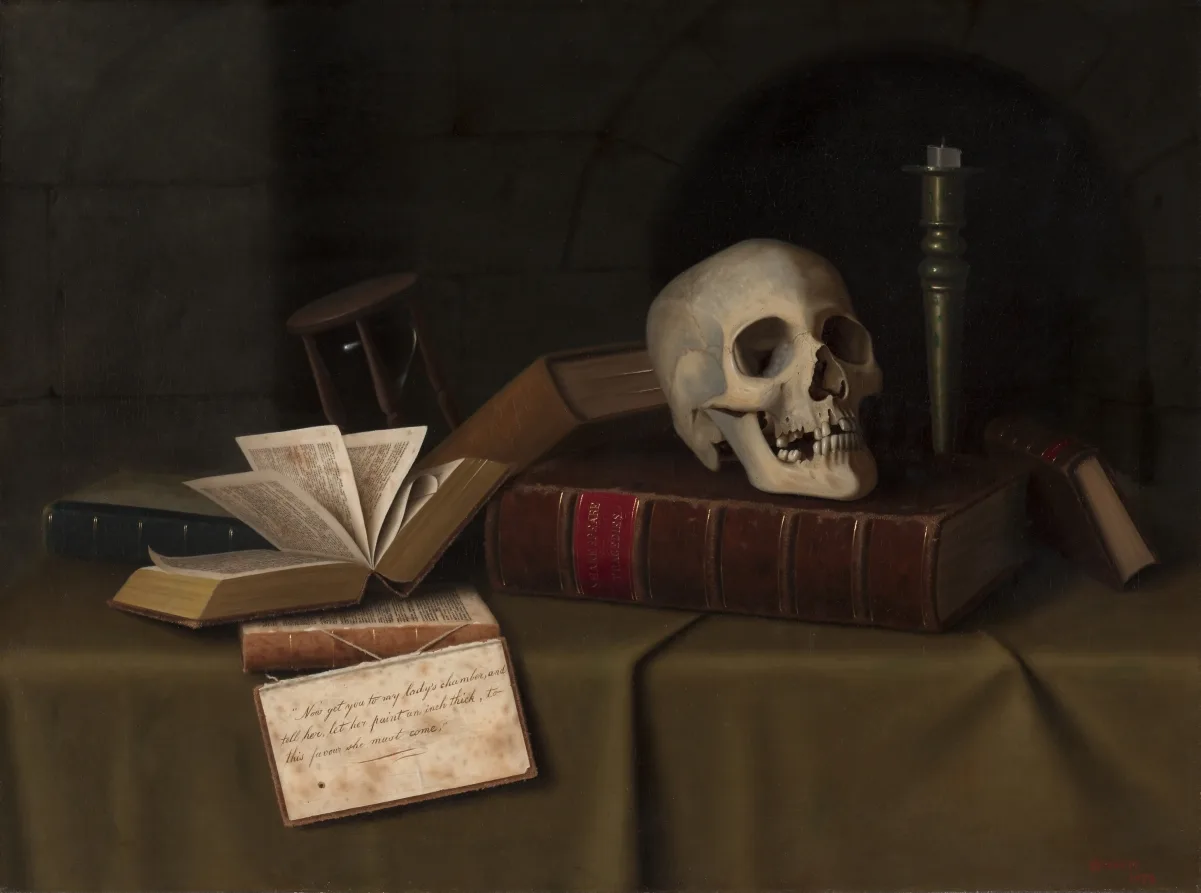
Hyperrealism is painting and sculpture that carries more detail than the photograph it started from. The surface holds more information than the eye can take in at normal viewing distance, which is why people walk up to these canvases and then back away again. Most hyperrealist painters work from their own photographs, often several of them combined, and a single picture can take six months to finish. The labor is part of what is being sold, and the artists rarely pretend otherwise.
The label gets attached to anything very detailed, which muddies it. A hyperrealist work usually adds something the camera never recorded: edges that stay sharp across the whole picture plane, light that comes from nowhere in particular, scale that no lens could produce. Ron Mueck is the clearest example, since a sleeping head five feet wide is not an image a photograph can give you. The distortion is deliberate and it is the point.
Where the term came from
The word entered the art vocabulary through a 1973 show at the Isy Brachot gallery in Brussels called Hyperrealisme. It borrowed from the American photorealists, a group the dealer Louis Meisel had named four years earlier. In Europe the term stuck to the second wave, the painters who came after the first photorealists and worked at higher resolution than they did. American writers kept saying photorealism, so the two words now describe overlapping groups with different accents.
That second wave cared less about storefronts and parked cars and more about skin, glass, water and folded cloth. Detail became a way to slow the viewer down rather than a report on suburban life. The strongest work from this group carries an unease that straight photographs almost never have. You look for a mistake, find none, and the absence of any mistake starts to feel strange.
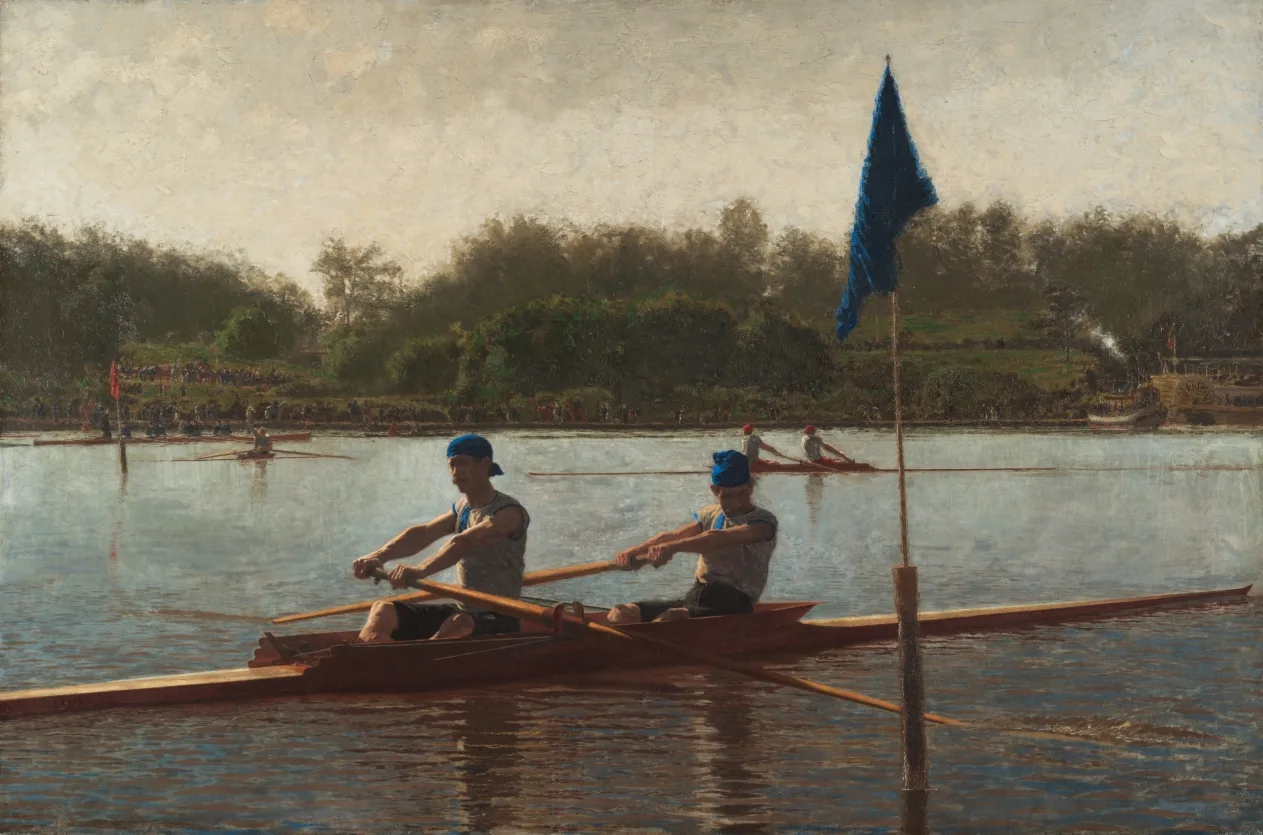
Illusionistic painting is much older than the camera. Dutch and later American trompe l'oeil painters built whole careers on objects that seemed to hang off the front of the canvas, and collectors paid for the trick as much as for the subject. Hyperrealism inherited that appetite for craft and attached it to photographic sources. The nineteenth century audience that queued to see a painted envelope pinned to a painted door would recognize the impulse immediately.
- A photograph blurs toward the edges, while most hyperrealist canvases stay equally sharp across the entire surface
- Enlargement does half the work, so read the dimensions before deciding the detail is impressive
- Brush marks should vanish at reading distance and reappear when you stand close
- Ask whether the artist shot the reference photograph or licensed it from a stock library
- Sculpture usually comes in small editions, which affects price more than size does
- Thin acrylic layers scuff easily, and old retouching shows up under raking light
Prices divide along the same seam. Work by the original photorealists reaches six figures at auction, while most living hyperrealists sell through galleries at prices calculated from size and hours worked. Buyers new to the field tend to overpay for technical difficulty and underpay for a picture that keeps their attention across a room. Difficulty is easy to verify and easy to admire, which is exactly why it gets priced too high.
Artists worth knowing
Richard Estes, Ralph Goings, Audrey Flack and Robert Bechtle set the American baseline in the late sixties. Duane Hanson and John De Andrea carried the approach into sculpture, and Ron Mueck pushed the scale games further in the nineties. Among painters working today, Roberto Bernardi and Pedro Campos are the reference points dealers reach for when the subject is glass or polished metal. Gottfried Helnwein sits at the edge of the group, closer to portraiture with a political charge.
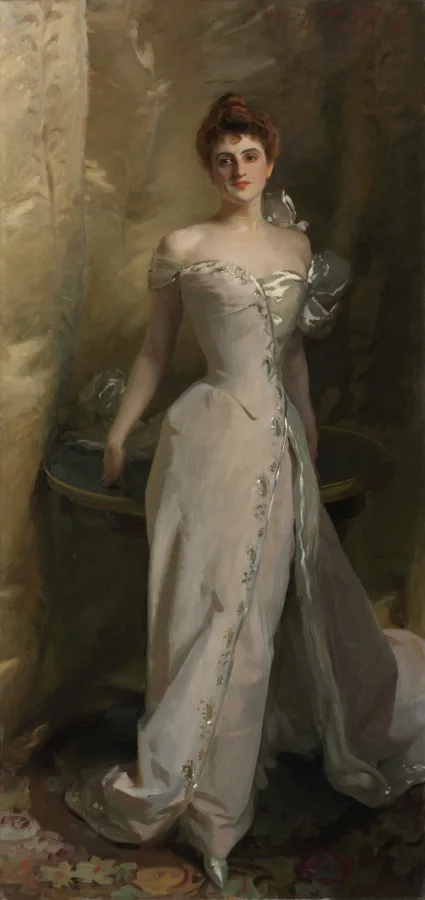
Inspiration is for amateurs. The rest of us just show up and get to work.
Chuck Close, painter
If you are buying, look at the picture from the far side of the room first. Detail that only works at arm's length is a technical exercise, and that kind of work loses value once the novelty passes. The hyperrealist paintings that hold up read as images before they read as feats of patience.
