

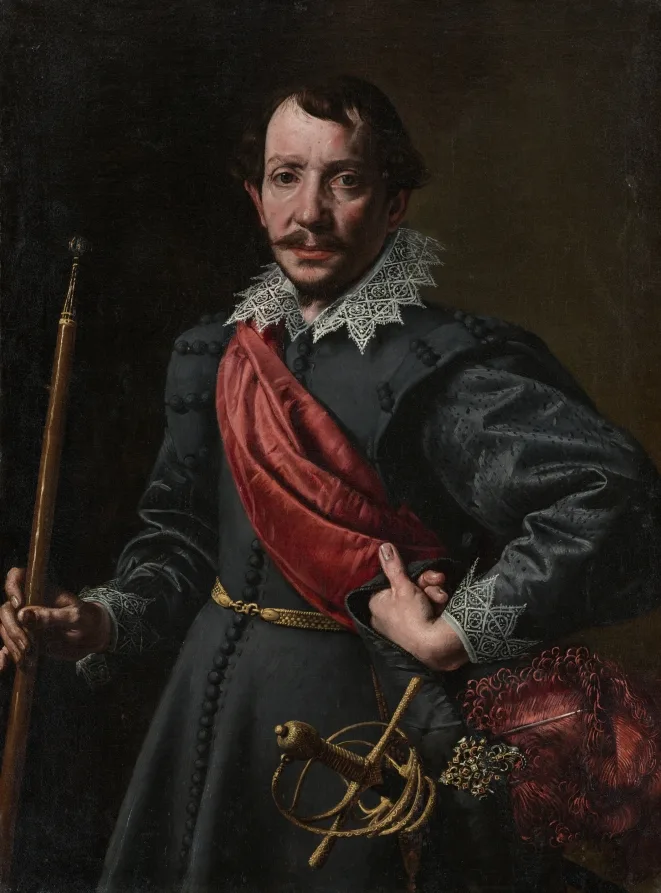
A portrait has to satisfy two people who want different things, which is why the genre splits into styles more sharply than landscape or still life does. The sitter wants to be recognized and generally flattered. The painter wants a picture that works without the sitter in the room. Every portrait style is a settlement between those two demands.
The settlements have names, and the names are worth learning because they tell you what to expect before you look. A state portrait and an intimate studio portrait are both likenesses, and almost nothing else about them is shared. Commission prices differ by a factor of ten across the same short list.
The five approaches you will meet
Formal portraiture is the oldest and the most codified. The sitter is presented rather than observed, the pose signals rank or profession, and the background carries attributes that explain who this person is. It is the tradition behind every board room commission still being painted today, and it survives because institutions need images that outlive individuals.
Psychological portraiture inverts that. The painter looks for the moment when the sitter stops performing, and the picture reports on a person rather than on a position. Rembrandt is the origin point and Lucian Freud is the modern extreme, with sittings that ran for hundreds of hours until the sitter had nothing left to project.
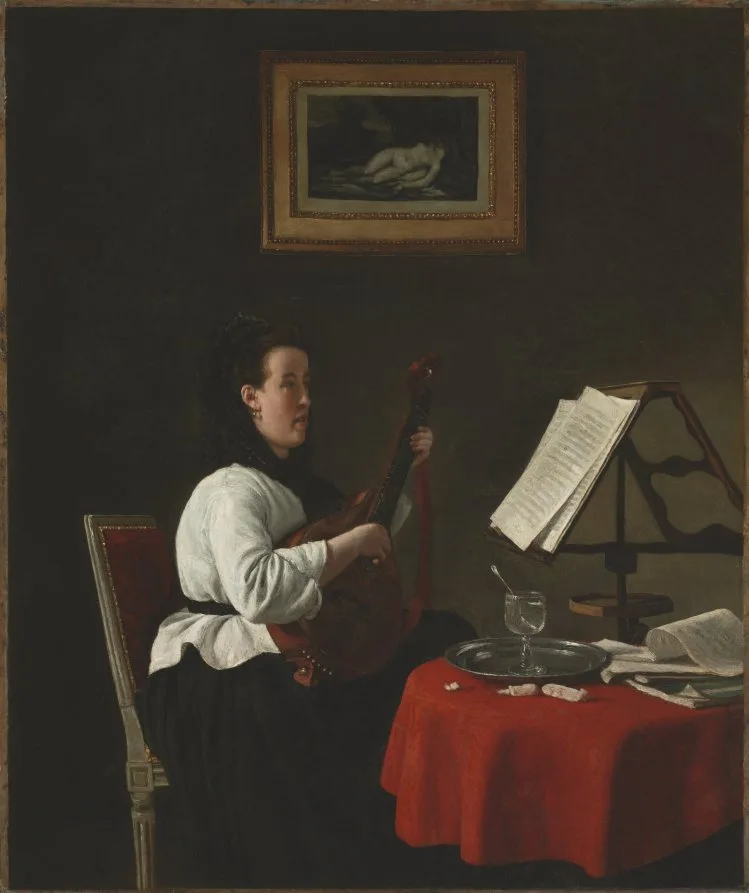
Informal portraiture sits between those two and covers most of what is painted now. The sitter is usually known to the artist, the setting is a room rather than a studio backdrop, and the pose comes from something the person does anyway. Prices here track the artist rather than the format.
If you are commissioning, decide in advance whether the painter works from sittings or from photographs, because it changes both the price and the result. Photograph based work is cheaper and faster and tends to flatten the face. Sittings cost more, run over months, and produce the thing people actually want when they commission a portrait.
- Formal: frontal or three quarter pose, controlled light, attributes that state rank or trade
- Psychological: long sittings, unflattering passages left in, background stripped to nothing
- Informal: domestic setting, relaxed pose, color taken from the room rather than the studio
- Expressionist: distortion used deliberately, visible speed, likeness treated as negotiable
- Photographic: worked from images, uniform sharpness, the sitter usually looking straight out
Those five cover the field well enough to be practical. Most working portraitists move between the last three depending on who is paying, and the formal mode survives mainly through institutional commissions. Expressionist portraiture almost never arrives through a commission, for reasons that need no explanation.
The tell in any portrait is the mouth. Eyes are easier than they look and hands are harder, but the mouth is where a painter either commits to what they saw or retreats into a formula. Look there first, then at the junction of the neck and the collar, which is the second place weak portraits fall apart.
What a commission costs
A head and shoulders portrait from a competent painter with a local reputation starts in the low thousands, and the number climbs with size, with the count of figures and with whether hands are included. Hands roughly double the price and every painter will explain why. Full length portraits from established names reach six figures and the wait runs into years.
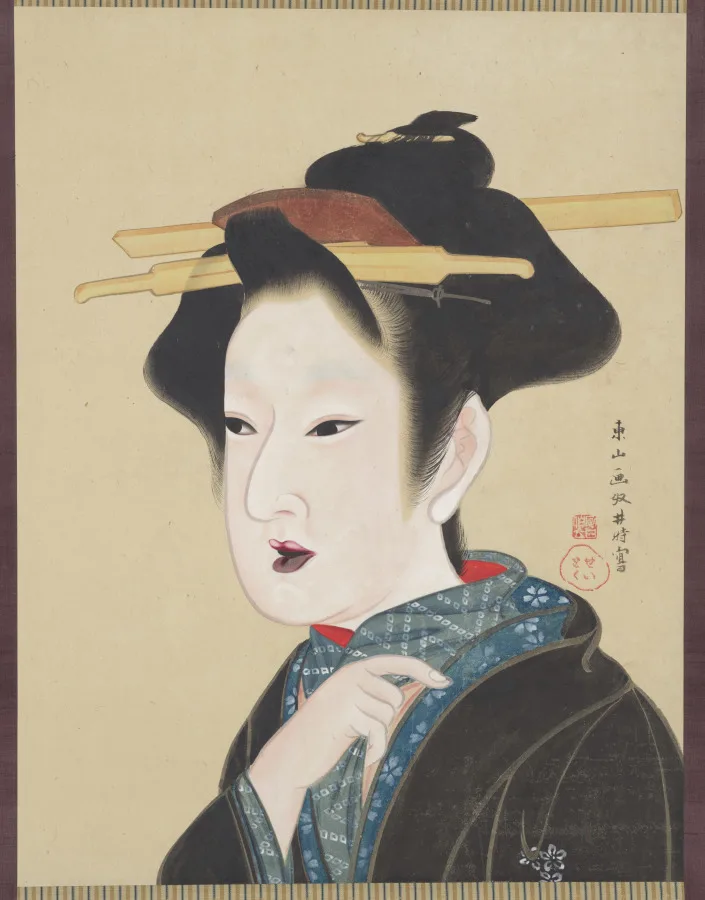
A portrait is a painting with something wrong with the mouth.
John Singer Sargent, painter
Sargent painted several hundred commissioned portraits before he abandoned the practice, and the line came out of that experience rather than out of theory. Every sitter he painted had an opinion about their own face, and the mouth is where the opinion lands. Painters who take commissions still quote it to each other.
